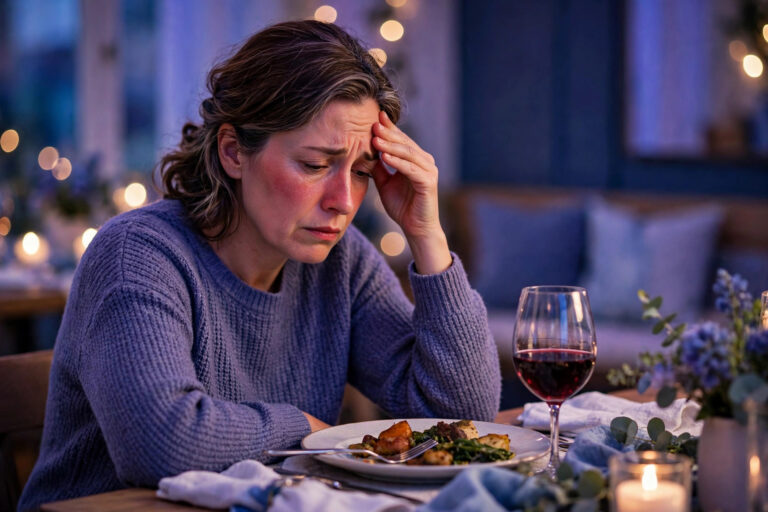
Fibromyalgia and Palpitations: 7 Reasons Your Heart Races & Pounds
If you live with fibromyalgia and palpitations, you know the moment your heart stops being background. It pounds in bed. It flutters in the supermarket queue. It skips, thumps, races, and suddenly every other thought leaves the room while you stand very still and listen to your own chest.
Palpitations, the feeling that your heartbeat has become noticeable, are common in fibromyalgia, and they are among its most frightening symptoms. The reassuring truth is that most palpitations are harmless rhythm hiccups or an over-alert control system rather than a failing heart. The equally important truth is that some are not, and this guide will separate the two clearly.
You will learn how fibromyalgia and palpitations connect, the seven main reasons your heart races and pounds, how to calm most episodes, and the specific situations where palpitations need fast, proper medical assessment.
Table of Contents
- Why Fibromyalgia and Palpitations Come Together
- 7 Reasons Your Heart Races and Pounds
- What It Feels Like Day to Day
- Triggers That Set Your Heart Off
- Fibromyalgia and Palpitations: Calming Most Episodes
- When Palpitations Need Fast Assessment
- Quick Questions
Why Fibromyalgia and Palpitations Come Together
Your heartbeat is run by the autonomic nervous system, the same automatic control network behind the sweating, dizziness and gut chaos of fibromyalgia. In this condition the system leans towards alert: resting heart rate runs higher, heart rate variability drops, and the accelerator answers stimuli faster than the brake. A heart governed by an anxious control room feels dramatic, even when the heart itself is structurally fine.
Interoception adds a second layer. Fibromyalgia heightens awareness of internal signals, so a normal extra beat that most people never notice arrives in consciousness like a drum hit. Many episodes of fibromyalgia and palpitations are therefore part event, part amplification: the beat was real, and so was the spotlight it received.
Standing deserves its own sentence. In a healthy system, standing pools blood in the legs and the heart compensates modestly. In a dysautonomic one, the compensation overshoots or undershoots, producing the racing, pounding minute on the platform or in the shower that so many patients describe. If your episodes cluster around standing, say so in those exact words at your appointment, because it points the investigation in a specific and helpful direction.
The overlap with conditions like POTS, where heart rate surges on standing, belongs in this picture too, as does the dizziness we covered in our guide to fibromyalgia and dizziness. Racing heart, lightheadedness and blood pressure wobbles are siblings from the same autonomic family.
7 Reasons Your Heart Races and Pounds
Most people with fibromyalgia and palpitations have several of these at work.
1. An over-alert autonomic system. The background cause: a control system biased towards fight-or-flight keeps the heart nearer the red line, so small pushes feel enormous.
2. Extra beats (ectopics). Almost everyone has occasional early beats followed by a compensating thump. They feel like a skip and a slam, and they are usually harmless, especially in a checked heart.
3. Anxiety and adrenaline. Worry about the palpitations themselves is the most reliable trigger of the next round. The loop is physiological, not a character flaw.
4. Caffeine, alcohol and nicotine. The classic stimulant trio. Energy drinks deserve a special mention for dose alone.
5. Medicines. Some pain, mood, asthma and decongestant medicines speed the heart. New palpitations after a dose change deserve a timing conversation.
6. Thyroid and anaemia. An overactive thyroid and low blood counts both make the heart race and pound, and both are simple blood tests. Never let palpitations be waved away without them.
7. Poor sleep, pain and dehydration. An exhausted, hurting, dry body runs its heart faster to compensate. Night palpitations after terrible sleep days are this mechanism in a coat.
Notice how testable that list is. Blood tests cover two causes outright, a diary exposes three more, and the medicine review handles another. Palpitations feel like the most mysterious symptom in the catalogue, yet they submit to detective work better than almost any other, which is genuinely good news disguised as a frightening feeling.
What It Feels Like Day to Day

Day to day, fibromyalgia and palpitations impose a quiet vigilance. You learn your pulse the way sailors learn weather. Lying on your left side becomes impossible because the heartbeat drums through the pillow. Quiet rooms feel louder inside your chest than outside it. You catch yourself taking your pulse in meetings, in queues, in the middle of conversations that deserved better.
The fear shapes behaviour. Exercise gets avoided because a raised heart rate feels like the start of an episode. Travel narrows to places near hospitals in the anxious months. Sleep suffers twice: palpitations wake you, and worrying about them keeps you up to analyse the waking. Each of those costs is real even when every episode is benign, which is why benign palpitations still deserve a plan rather than a shrug.
Work adds its own stage fright. A pounding heart in a meeting feels public property, even though nobody can hear it, and the effort of appearing calm consumes the calm itself. Many people quietly arrange their working lives around episodes: the seat near the door, the water bottle always full, the stairs taken slowly without apology. These are not weaknesses. They are logistics, and logistics can be improved openly once the fear of being overheard, literally, is named.
There is also relief available in a proper check. Many people find that one normal ECG, one set of bloods and one clinician saying “your heart is structurally fine, here is what is happening” halves the episodes within a month, because the fear amplifier has been unplugged from the circuit.
Triggers That Set Your Heart Off
Palpitations follow triggers faithfully, and in fibromyalgia and palpitations the trigger list doubles as a management plan. The usual list includes:
- Caffeine stacking. Coffee, tea, cola, energy drinks and some painkillers adding up across a day.
- Alcohol evenings. The racing heart at 3 a.m. after drinking is common enough to have a nickname among cardiologists.
- Big meals. A full stomach presses and stimulates the vagus nerve; post-meal palpitations are a classic pattern.
- Standing up fast. The autonomic system overshoots, heart rate surges, and dizziness joins in.
- Stress spikes and their aftermath. The meeting, the phone call, and strangely, the quiet hour after them.
- Heat and dehydration. Warm rooms, summer days and poor fluid intake all speed the heart.
- Exhaustion. The terrible-sleep day produces the palpitation evening with eerie reliability.
A two-week diary of episodes, with caffeine, meals, posture and sleep noted, usually names your personal top three. That diary is also the single most useful document you can hand a cardiologist.
Fibromyalgia and Palpitations: Calming Most Episodes
During an episode, the goal is to reassure the control system, not to fight the heart. For people managing fibromyalgia and palpitations, these steps help most. Between episodes, the same calm approach lowers how often fibromyalgia and palpitations visit at all:
Sit or lie down, and slow your breathing. Long, slow exhales stimulate the vagus nerve, the body’s own brake pedal. Four counts in, six out, for two minutes changes measurable heart rate in most people.
Try a vagal manoeuvre. Bearing down as if blowing up a stiff balloon, or splashing cold water on the face, can reset a racing rhythm. The NHS guide to heart palpitations explains these techniques and the situations where episodes should be checked instead.
Cut the stimulant stack. Audit caffeine honestly for two weeks, including the hidden sources, and notice what changes. Many people are astonished, and a little betrayed, by the answer.
Eat and drink steadily. Regular fluids, regular small meals, and no heroic fasting experiments. Blood sugar crashes and dehydration are palpitation fuel, and both are optional.
Calm the alarm system generally. The work in our guide to stress and fibromyalgia is heart medicine here: a calmer baseline means a less trigger-happy heart, because the accelerator and the alarm are the same pedal.
Write your episode protocol on a card. Sit down, slow breathing, cold water, wait ten minutes, then decide. Rehearsed steps beat improvisation at 3 a.m. every time, because panic is a terrible strategist. People living with fibromyalgia and palpitations who keep that card on the fridge report shorter episodes within weeks, partly physiology and partly the confidence of having a plan at all.
Rebuild exercise trust gradually. Gentle, graded activity, starting well below the rate that frightens you, retrains both heart and confidence. Avoidance deconditions the heart, which makes it race more easily: a loop worth breaking slowly and kindly.
When Palpitations Need Fast Assessment

Most fibromyalgia and palpitations are the benign kind. Nevertheless, some situations need urgent or prompt medical assessment, and this list outranks every reassurance in this article:
- Palpitations with chest pain, pressure or tightness: seek emergency help
- Palpitations with fainting, near-fainting or severe breathlessness: seek emergency help
- A heart that races and will not slow down after 15 to 20 minutes of rest and calming
- Palpitations that reliably strike during exercise
- A family history of sudden death in a young relative, or known heart conditions in the family
- New palpitations with weight loss, tremor, heat intolerance or a racing resting pulse, which can signal thyroid trouble
Routine assessment usually includes an ECG, blood tests for thyroid, blood count and salts, and sometimes a wearable heart monitor to catch an episode in the act. The NHS fibromyalgia overview explains how this fits alongside your existing care. If your episodes are frequent, ask for the monitor specifically; an episode captured on tracing is worth a dozen descriptions.
Quick Questions
Can fibromyalgia really cause palpitations?
Yes, through its autonomic effects: a control system biased towards alert, heightened awareness of the heartbeat, and companions like poor sleep, pain and stimulant sensitivity. Fibromyalgia and palpitations together are extremely common. That said, palpitations also have independent causes, thyroid, anaemia and rhythm problems among them, which is why a first proper check matters rather than assuming.
Why are my palpitations worse when I lie down at night?
Three reasons: quiet makes the heartbeat audible to attention, lying flat changes the heart’s loading, and the day’s exhaustion, caffeine and stress arrive at their peak together. Many people find the right side quieter than the left, and an extra pillow helps both the mechanics and the mind.
Can palpitations actually wake you from sleep?
Yes. A run of extra beats, a surge of adrenaline from a pain spike or a bad dream, or the 3 a.m. alcohol rebound can all do it. Waking with a pounding heart is frightening and usually benign, but new, frequent night episodes deserve mentioning at your next review, with sleep apnoea part of the conversation, because untreated apnoea strains hearts at night in ways worth ruling out.
Should I buy a smartwatch to monitor them?
It can help or harm. A watch that captures an episode for your clinician is genuinely useful. A watch checked forty times a day is an anxiety machine with a strap. If you use one, agree with yourself what it is for, capturing episodes and spotting patterns, and let your clinician interpret the tracings.
Keep the perspective that clinicians use: palpitations are a symptom, not a diagnosis, and symptoms deserve curiosity rather than dread. The curiosity protocol for fibromyalgia and palpitations is short: one proper check, one honest diary, one review of stimulants and medicines. People who complete those three steps usually understand their own episodes better than anyone, and understanding is the specific antidote fibromyalgia and palpitations fear most, because fear was feeding them.
Living with fibromyalgia and palpitations means sharing your chest with a drum you did not hire. Get the first proper check done, learn your triggers, breathe out slowly, and treat the red-flag list as non-negotiable. Most people who do this find the episodes shrink to occasional visitors, and the fear, which was always the loudest part, leaves first. If you are still building your wider plan, our first-year roadmap is a steady place to continue.
This article is for general information and education only and is not medical advice. Palpitations with chest pain, fainting or severe breathlessness need emergency assessment, always.