Fibromyalgia and Cold Hands & Feet: 7 Causes & Warming Fixes
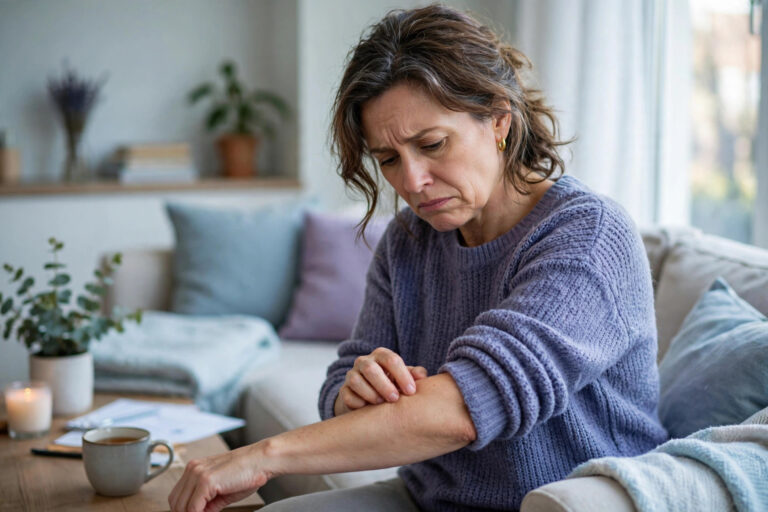
If you live with fibromyalgia and cold hands, your fingers can be ice in a warm room. You type with stiff, aching hands in July. Your feet go numb in bed. And when the cold really bites, your fingers may blanch white, then blue, then flush red and throb on their way back.
Cold hands and feet are among the quiet background symptoms of fibromyalgia, rarely dramatic enough to headline an appointment, always present enough to shape your days. They belong to the same autonomic family as the sweating, palpitations and dizziness covered elsewhere here: a control system that handles blood vessels badly.
This guide explains how fibromyalgia and cold hands connect. First, you will learn the seven main causes, including where Raynaud’s fits. Next, you will find warming strategies that genuinely work. Finally, you will learn when cold hands signal something else, from thyroid trouble to circulation problems that need treatment.
Table of Contents
- Why Fibromyalgia and Cold Hands Come Together
- 7 Causes of Icy Fingers and Toes
- Where Raynaud’s Fits In
- What It Feels Like Day to Day
- Fibromyalgia and Cold Hands: Warming Strategies That Work
- When Cold Hands Need Checking
- Quick Questions
Why Fibromyalgia and Cold Hands Come Together
Your body rations heat. In the cold, blood vessels in the hands and feet narrow to protect the core, then reopen when warmth returns. That narrowing is run by the autonomic nervous system, and in fibromyalgia the system over-reacts: vessels clamp earlier, harder and longer than the temperature justifies. Studies measuring hand blood flow in fibromyalgia patients find exactly this exaggerated response to mild cold.
Sensitisation adds the second blow. Even when blood flow is only modestly reduced, a sensitised nervous system experiences it as deep, aching cold, and rewarming as burning and throbbing. The perception and the plumbing fail together, which is why two people can share a room, a thermometer and completely different hands.
Stress is the trigger nobody connects until it is pointed out. The vessel clamp in your fingers is part of the fight-or-flight response, which is why hands go cold before presentations, arguments and difficult phone calls even in warm rooms. In a condition where the alarm system already idles too high, everyday stress produces fingertip weather that looks like a circulation disease and behaves like an emotion.
The thermostat theme runs right through this condition. Our guide to fibromyalgia and sweating describes the same control system flooding with heat; our guide to weather sensitivity and fibromyalgia describes what weather does to pain. Fibromyalgia and cold hands are the winter chapter of that one long story.
7 Causes of Icy Fingers and Toes
Most people with fibromyalgia and cold hands have several of these at work.
1. Over-reactive vessel control. The autonomic clamp described above. This is the background cause for most cases.
2. Raynaud’s phenomenon. The named, stronger version, where cold or stress triggers visible colour changes. The next section separates it properly.
3. Low thyroid function. Hypothyroidism slows metabolism and circulation together and classically produces cold hands with fatigue and weight gain. It overlaps with fibromyalgia so often that this blood test should never be skipped.
4. Anaemia and low iron. Less oxygen-carrying capacity means colder extremities. Our guide to iron, ferritin and fibromyalgia fatigue explains why this test matters beyond tiredness alone.
5. Inactivity and muscle loss. Muscles generate heat and pump blood. Pain-enforced stillness produces colder hands and feet by simple physics.
6. Nicotine and caffeine. Both narrow blood vessels. The cigarette on the doorstep and the third coffee are measurable in your fingertips.
7. Low body weight and low blood pressure. Less insulation and gentler circulation pressure both show up at the ends of the limbs first.
Notice the split in that list: some causes live in the control system, and some in the blood itself. The control-system causes respond to warmth, calm and movement. The blood causes respond to blood tests. Telling them apart is a fortnight of observation plus one appointment, which is a small price for hands that work in winter.
Where Raynaud’s Fits In
Raynaud’s is the pattern where fingers or toes change colour in sequence, white as blood leaves, blue as oxygen fades, red and throbbing as flow returns, triggered by cold or stress. It exists in two forms. Primary Raynaud’s is common, benign and runs in families. Secondary Raynaud’s rides alongside other conditions, including autoimmune diseases, and matters more.
The emotional trigger deserves respect in this section too. Raynaud’s episodes famously follow embarrassment, anxiety and sudden stress, not just cold air, because the trigger is the vessel clamp itself rather than the temperature. Keeping a simple note of what preceded each episode, cold room or difficult conversation, reshapes treatment more than any glove upgrade, since half the battle turns out to be the alarm system rather than the weather.
Fibromyalgia patients report Raynaud’s-type episodes far more often than the general population, whether or not they carry the formal label. The NHS guide to Raynaud’s describes the colour sequence and when it needs assessment clearly. The distinction that matters practically: colour changes that begin after your thirties, affect one hand much more than the other, or arrive with sores on the fingertips should always be assessed, because secondary causes hide there.
What It Feels Like Day to Day
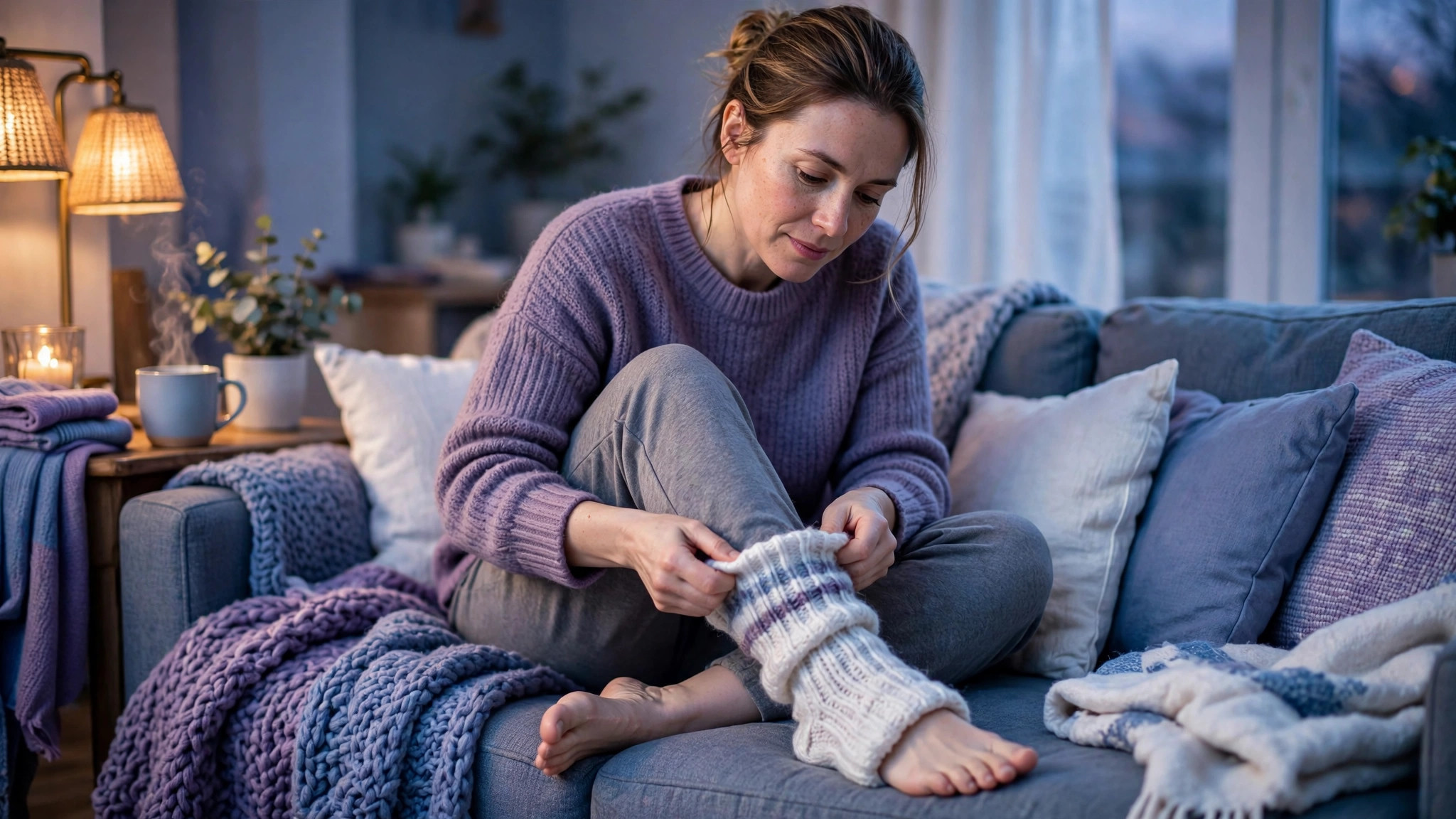
Day to day, fibromyalgia and cold hands interfere with the fine print of life. Nothing on this list will ever make an emergency appointment, and all of it together quietly eats the day, which is the signature of fibromyalgia and cold hands alike. Typing slows and stiffens. Buttons, coins and phone touchscreens defeat numb fingers. Handwriting deteriorates across a cold page. In bed, icy feet become a relationship issue with a long literature of jokes and a real core of broken sleep underneath them.
Rewarming deserves its own complaint. The return of blood to cold, sensitised fingers burns and throbs out of proportion, so people learn to fear the cure as much as the cold and hover in between, lukewarm and miserable. Warming slowly, as the strategies below describe, exists precisely to break that trap.
Workplaces specialise in this symptom: air conditioning set for the warmest person in the building, freezer aisles, cold steering wheels, outdoor queues. Gloves in August attract comments. Like so many fibromyalgia negotiations, the management is easy and the explaining is exhausting.
Fibromyalgia and Cold Hands: Warming Strategies That Work
The golden rule is to warm the whole body, not just the hands, because the clamp is a whole-body decision. For people managing fibromyalgia and cold hands, these strategies work best. Prevention outranks rescue every time with fibromyalgia and cold hands, because stopping the clamp beats reversing it:
Heat the core first. A warm drink, a layer on the torso, a heated pad on the lower back. Hands release their clamp when the core reports safety; gloves alone fight a losing battle against a body that believes it is freezing.
Layer hands and feet properly. Mittens beat gloves, because fingers warm each other. Two thin sock layers beat one thick one, and shoes need room: tight footwear strangles the circulation you are trying to invite back.
Rewarm slowly. Lukewarm water, never hot, and gradual movement. Hot water on numb, sensitised skin burns at temperatures you cannot feel properly, a genuine injury risk that catches people every winter.
Move to generate heat. Arm windmills, hand clenches, a short walk. Muscle activity is the only heater you carry everywhere, and two minutes of it outperforms ten minutes of waiting to feel warm.
Carry the kit. Hand warmers in coat pockets, a spare pair of socks in the car, fingerless gloves for the office. Prepared people have episodes measured in minutes; unprepared people have them measured in evenings.
Win the night shift. Warm socks in bed are not surrender; they are sleep medicine, because cold feet measurably delay sleep onset and broken sleep is tomorrow’s pain. A hot water bottle at the feet for the first hour, warmed before bed rather than endured after, changes the whole night for people living with fibromyalgia and cold hands.
Review the aggravators. Nicotine, excess caffeine, and some medicines, including certain migraine and blood pressure drugs, all tighten vessels. List yours honestly at your review, because sometimes one swap changes the whole winter.
When Cold Hands Need Checking

Most fibromyalgia and cold hands are autonomic over-reaction. Nevertheless, some patterns need investigation. Book an appointment if you notice:
- Colour changes in fingers that began after age 30, or that affect one hand far more than the other
- Sores, ulcers or slow-healing cracks on fingertips
- Cold hands with new fatigue, weight gain, hair changes or feeling cold everywhere, which can point to thyroid trouble
- One foot persistently colder than the other, or leg pain when walking a fixed distance
- Fingers that stay blue or white for long periods, or lose feeling completely
- Cold extremities alongside joint swelling, rashes or mouth ulcers, which can suggest autoimmune disease
Assessment usually means examining your hands and pulses, then blood tests covering thyroid, blood count, iron and autoimmune markers where the pattern suggests them. The NHS fibromyalgia overview explains how this fits into your wider care. Photograph a colour-change episode if you can; it is worth several paragraphs of description.
Quick Questions
Is it Raynaud’s or fibromyalgia?
Sometimes one, sometimes the other, often both. The colour sequence, white to blue to red, is the Raynaud’s signature; steady icy aching without colour drama fits the fibromyalgia vessel pattern better. Since management overlaps heavily, warming strategies, trigger review and trigger tests, the label matters less than the red-flag check in the section above.
Why do my hands ache more as they warm up?
Because returning blood flow meets sensitised nerves. The throbbing, burning phase of rewarming is the price of reopening vessels into tissue that reports everything loudly. Warming gradually, lukewarm water, core first, patience, shrinks that phase considerably, which is why the technique matters as much as the temperature.
Why do my hands go cold when I am anxious?
Because cold hands are part of the alarm response itself. Adrenaline redirects blood from fingers to muscles, preparing for action that never comes, and a sensitised system runs that redirect at the slightest provocation. Slow breathing during episodes is therefore circulation treatment, not just comfort: it stands the alarm down, and the vessels take the hint within minutes in most people.
Can exercise really help cold hands?
Yes, twice over. During activity, muscles generate the heat directly. Over months, fitter circulation responds more calmly to cold in the first place. Start warm, dress for ten degrees warmer than the weather once moving, and keep sessions gentle enough to repeat tomorrow. The goal is a calmer vessel reflex, not a personal best.
One photograph habit deserves the final word. Colour changes are hard to describe and easy to dismiss, including by the person having them. A phone photo during an episode converts fibromyalgia and cold hands from a vague complaint into clinical evidence, and it takes ten seconds. People with fibromyalgia and cold hands who arrive with two dated photos get examined hands and ordered blood tests; people who arrive with adjectives often get neither.
Living with fibromyalgia and cold hands means winter starts in your fingers long before it reaches the calendar. Warm the core, layer the edges, rewarm slowly, and get the pattern checked when it changes character. Most people who do this stop losing evenings to numb, aching hands. If you are still building your wider plan, our first-year roadmap is a steady place to continue.
This article is for general information and education only and is not medical advice. Fingertip sores, one-sided colour changes, or a persistently cold single foot should always be assessed by a doctor.