
Fibromyalgia and Muscle Spasms: 8 Reasons Muscles Seize & Twitch
If you live with fibromyalgia and muscle spasms, your body has ambushed you in public and in private. The calf that locks solid at 3 a.m. The back that seizes reaching for a seatbelt. The eyelid that twitches through an entire meeting while you pretend not to notice it, knowing everyone else can see it.
Muscle spasms, cramps and twitches form a family in fibromyalgia: muscles that contract too hard, too long or entirely uninvited. They range from comic to genuinely disabling, and they share roots with the condition’s core problems: irritable nerves, exhausted muscles, poor sleep and an electrolyte balance that never quite stays where you left it.
This guide explains how fibromyalgia and muscle spasms connect. First, you will learn the eight main reasons muscles seize and twitch. Next, you will find how to release a spasm in the moment and reduce them over time. Finally, you will learn the spasm patterns that need medical assessment rather than home management.
Table of Contents
- Why Fibromyalgia and Muscle Spasms Come Together
- 8 Reasons Your Muscles Seize and Twitch
- What It Feels Like Day to Day
- Releasing a Spasm in the Moment
- Fibromyalgia and Muscle Spasms: Reducing Them Over Time
- When Spasms Need Assessing
- Quick Questions
Why Fibromyalgia and Muscle Spasms Come Together
A muscle contracts when nerves tell it to, and relaxes when the signal stops and the chemistry resets. Fibromyalgia interferes at both ends. The nerves fire too readily, part of the same excitability behind the zaps in our guide to fibromyalgia and electric shock sensations. And the muscles themselves, deconditioned by pain-avoidance and starved of restorative sleep, fatigue faster and reset slower, so contractions linger and repeat.
Guarding adds a vicious loop. A body in pain holds its muscles braced, shoulders up, jaw set, back rigid, as armour. Braced muscles exhaust themselves, exhausted muscles spasm, and spasms hurt, which tightens the guarding further. Much of spasm management is simply persuading the armour to stand down.
Posture quietly writes much of the script. Eight hours of desk geometry, neck forward, shoulders rounded, calves shortened under a chair, loads exactly the muscles that spasm in the evening news of your own body. Nobody’s posture is perfect, and perfection is not the ask. Variation is: the best position is the next position, changed often, before the muscles file their complaint in the only language they have.
Sleep is the third strand. Deep sleep is when muscles fully release and repair, and fibromyalgia sleep is famously shallow. Our guide to fibromyalgia and restless legs covers the night-time leg story from its other angle; spasms and restless legs share beds, causes and cures more often than either gets credit for.
8 Reasons Your Muscles Seize and Twitch
Most people with fibromyalgia and muscle spasms have several of these at work.
1. Irritable nerves. A lowered firing threshold means muscles get contraction orders too easily and release orders too late. This is the background setting.
2. Muscle fatigue and deconditioning. Weak, tired muscles spasm the way tired hands shake: the machinery of control fails under load. Both overuse and underuse feed this.
3. Chronic guarding and tension. Hours of unconscious bracing, at desks, in cars, through pain, priming the neck, shoulders, jaw and back to seize.
4. Electrolyte and mineral balance. Magnesium, potassium and calcium all run muscle relaxation chemistry. Genuine deficiencies happen, especially with poor appetite, gut problems or certain medicines, though they explain fewer spasms than supplement marketing suggests.
5. Poor sleep. The repair shift never completes, so muscles start each day pre-fatigued and end it twitching.
6. Dehydration. Under-drinking concentrates every imbalance and is the fastest reversible spasm trigger there is.
7. Medicines. Some medicines provoke cramps or twitches, and withdrawal from others does too. Timing, as always, is the informant.
8. Cold and inactivity. Cold muscles are stiff, under-perfused and spasm-prone; long stillness sets them like cooling glue. Winter evenings collect the evidence.
Count the levers in that list: sleep, water, warmth, movement, strength, posture, medicine timing. Fibromyalgia and muscle spasms are unusual among symptoms in how many dials a patient personally controls, which makes this one of the more hopeful pages on the whole site.
What It Feels Like Day to Day
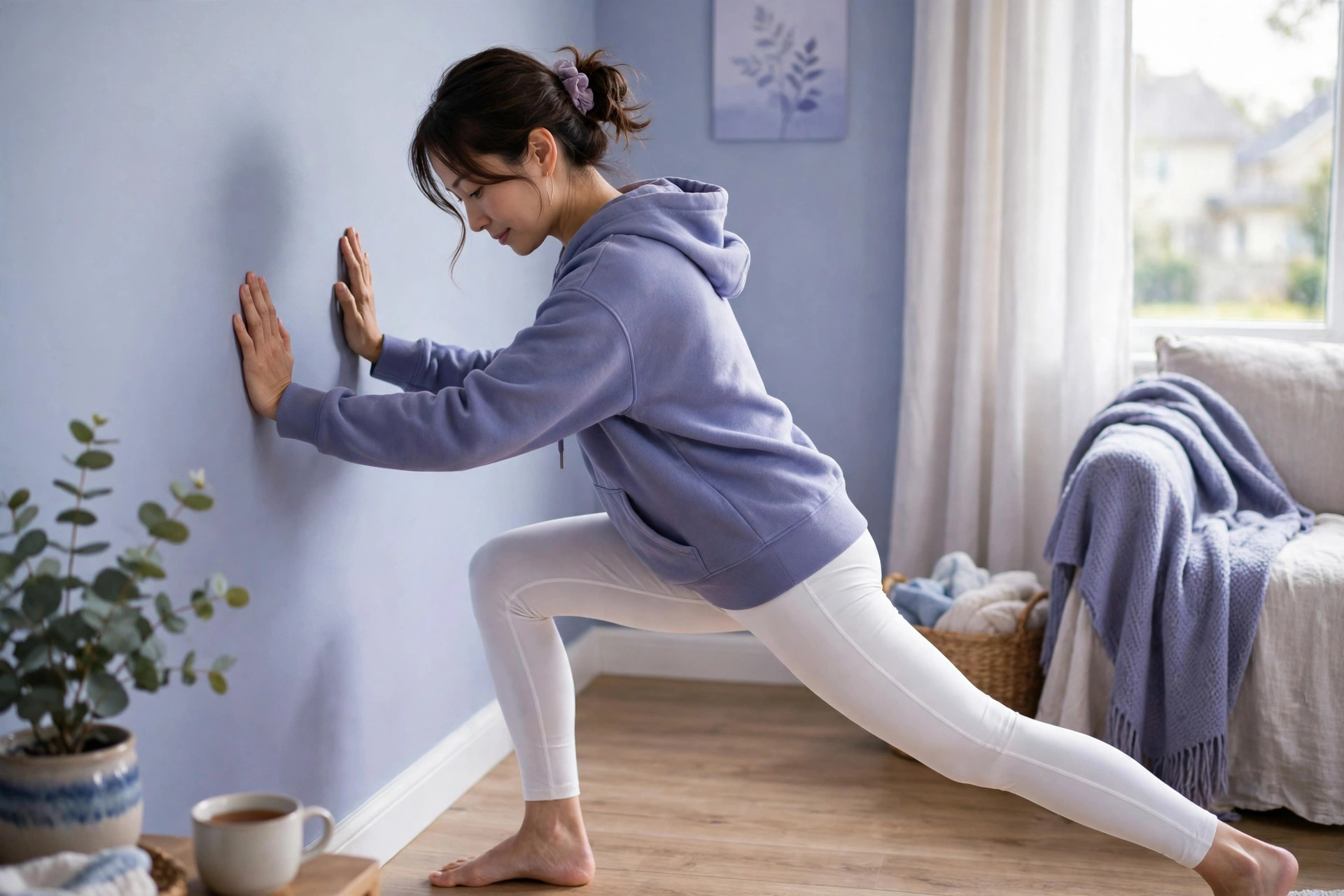
Day to day, fibromyalgia and muscle spasms make the body feel unreliable at the level of machinery. You plan movements like a chess player: how to get out of this chair, that car, this bath, without the seize. Bags get carried in the good arm. Stairs get negotiated with a handrail you pretend is casual. The background vigilance is its own fatigue, and nobody applauds you for a day it quietly succeeds.
Nights host the headline acts. The calf cramp that launches you upright, the foot that curls and will not uncurl, the hip that locks when you roll over. Partners learn the drill: stretch it, press there, wait. The spasm passes in minutes; the lost sleep and the next day’s ache bill you for hours.
Driving deserves a mention, because a seized calf or a locked back at motorway speed is a safety problem, not a symptom anecdote. The drill matters here too: foot flat and stretch if it is the calf, pull over when anything bigger seizes, and never wrestle a spasm and a steering wheel simultaneously. Planning journeys with stretch stops is not caution theatre for people prone to these ambushes; it is the same engineering as everything else in this guide.
The twitches play the comedy circuit: eyelids, thumbs, the ripple across a calf at rest. Harmless, usually, and maddening in proportion to how tired you already are. Many people find the twitches function as a dashboard light: the day they multiply is the day the battery admits it is empty.
Releasing a Spasm in the Moment
Hands and feet deserve their own drill, because they cramp in distinctive ways. A hand that claws mid-task usually releases with the fingers gently straightened by the other hand and held, plus warmth. A foot that curls responds to standing pressure, weight through the foot on a cool floor, which stretches the arch from underneath. People who live with fibromyalgia and muscle spasms learn these two rescues early, because hands and feet are where the symptom does its daily public relations.
When a muscle locks, three moves cover most situations. Stretch the muscle gently in the opposite direction: for a calf cramp, pull the toes up towards the shin and hold; for a back spasm, knees to chest or a gentle cat stretch. Apply warmth, or firm pressure with the heel of your hand, which persuades many spasms to let go. Then move the area slowly through its range once it releases, rather than freezing still, because gentle movement prevents the immediate re-lock that stillness invites. The NHS guide to leg cramps describes the same stretch-and-massage approach doctors recommend for the classic night cramp.
Fibromyalgia and Muscle Spasms: Reducing Them Over Time

Moment-by-moment releases matter, but the real prize is fewer spasms. For people managing fibromyalgia and muscle spasms, these habits pay best over months:
Stretch daily, gently, when warm. After a bath or a short walk, never cold. Ninety seconds per major muscle group, most days, outperforms one heroic weekly session, and it specifically defends against the night cramps that ruin sleep.
Strengthen gradually. Weak muscles spasm; stronger ones endure. Light resistance work, built slowly and rested properly, lowers spasm frequency within a couple of months for many people. Soreness that lasts days means the dose was wrong, not the idea.
Drink steadily and eat minerals in food. Water across the day, plus leafy greens, beans, nuts and dairy or alternatives for the magnesium, potassium and calcium team. If cramps are frequent, ask for the blood tests before buying the supplements, because real deficiencies deserve real doses.
Unguard on purpose. Hourly shoulder drops, jaw unclenches and belly breaths, cued by phone alarms until they become habits. This sounds soft and is, in fact, mechanical maintenance for the guarding loop described above.
Protect sleep like physiotherapy. Every mechanism in this article improves with sleep and worsens without it. Our wider guidance on pacing and rest exists precisely because muscles file their repair requests at night.
Build an evening de-spasm routine. Warm bath or shower, five minutes of stretching, legs up, lights down. It sounds indulgent and functions as physiotherapy, because the night shift is when fibromyalgia and muscle spasms do their worst work and when a prepared body defends itself best. Consistency beats intensity here, as everywhere in this condition.
Ask about targeted help. Physiotherapy for chronic patterns, and a medicine review for spasm-specific options where spasms dominate your symptom list. Bring a spasm diary, noting muscle, time and trigger, because treatment follows patterns, not anecdotes.
When Spasms Need Assessing
Most fibromyalgia and muscle spasms are benign, if brutal. Nevertheless, some patterns point elsewhere and need assessment:
- Spasms with progressive weakness, muscle wasting or a limb that is shrinking
- Twitching that is constant, widespread and accompanied by weakness
- A muscle that stays hard, swollen or exquisitely tender for days, or urine that turns dark after severe cramps
- Spasms that begin after a new medicine and keep escalating
- Cramps mainly in the legs when walking a predictable distance, easing with rest, which can signal circulation trouble
- Spasms with numbness, bladder changes or back pain after an injury
Assessment usually covers a neurological and muscle examination, blood tests for electrolytes, calcium, magnesium, thyroid and muscle enzymes, and a medicine review. The NHS fibromyalgia overview explains how this fits your wider care. Most people leave with reassurance and a plan; the few who need more are exactly why the check exists.
Quick Questions
Does magnesium actually stop muscle spasms?
Sometimes, when magnesium is genuinely low. Trials in people with normal levels show little effect, which is why testing beats guessing. Food sources are the safe default, supplements a reasonable trial with your pharmacist’s eye on interactions, and persistent spasms despite normal levels a sign to look at sleep, strength and guarding instead.
Why do my muscles twitch more when I rest?
Because rest is when you notice them, and because fatigued muscles fire spontaneously as they recover, especially after exertion, caffeine and short sleep. Twitching that appears at rest and vanishes when the muscle works is the classic benign pattern. It is also your body’s most honest tiredness gauge; believe it earlier than you currently do.
Why do spasms strike after exercise instead of during it?
Because during exercise the muscles are warm, perfused and busy, while afterwards they cool, tire and meet the electrolyte bill. The post-exercise hour and the following night are prime cramp country. A cool-down with stretching, fluids with a little salt and food, and no heroic same-day second sessions close most of that window for people prone to fibromyalgia and muscle spasms.
Should I exercise a muscle that keeps cramping?
Yes, but like a negotiator, not a drill sergeant. Gentle stretching daily, strengthening gradually, rest days honoured. A muscle that cramps is usually complaining about load management, not requesting retirement. Retirement, in the form of total rest, deconditions it further and guarantees the spasms a longer contract.
Keep the diary, at least for a month. Muscle, time, trigger, what released it: four facts per spasm, and patterns surface that memory swore did not exist. Clinicians treat fibromyalgia and muscle spasms far better with that page in hand, and patients argue with their own despair better too, because the page usually shows the bad weeks following identifiable loads. Fibromyalgia and muscle spasms thrive on mystery; paperwork starves them.
Living with fibromyalgia and muscle spasms means your muscles have opinions and the volume to share them. Stretch the locks open, strengthen the machinery, sleep like it is treatment, and check the patterns that change character. Most people who do this trade nightly ambushes for the occasional twitch, and that is a trade worth making. If you are still building your wider plan, our first-year roadmap is a steady place to continue.
This article is for general information and education only and is not medical advice. Spasms with progressive weakness, muscle wasting or dark urine after severe cramps need prompt medical assessment.