Fibromyalgia and Scalp Pain: 7 Reasons Brushing Hurts & Relief
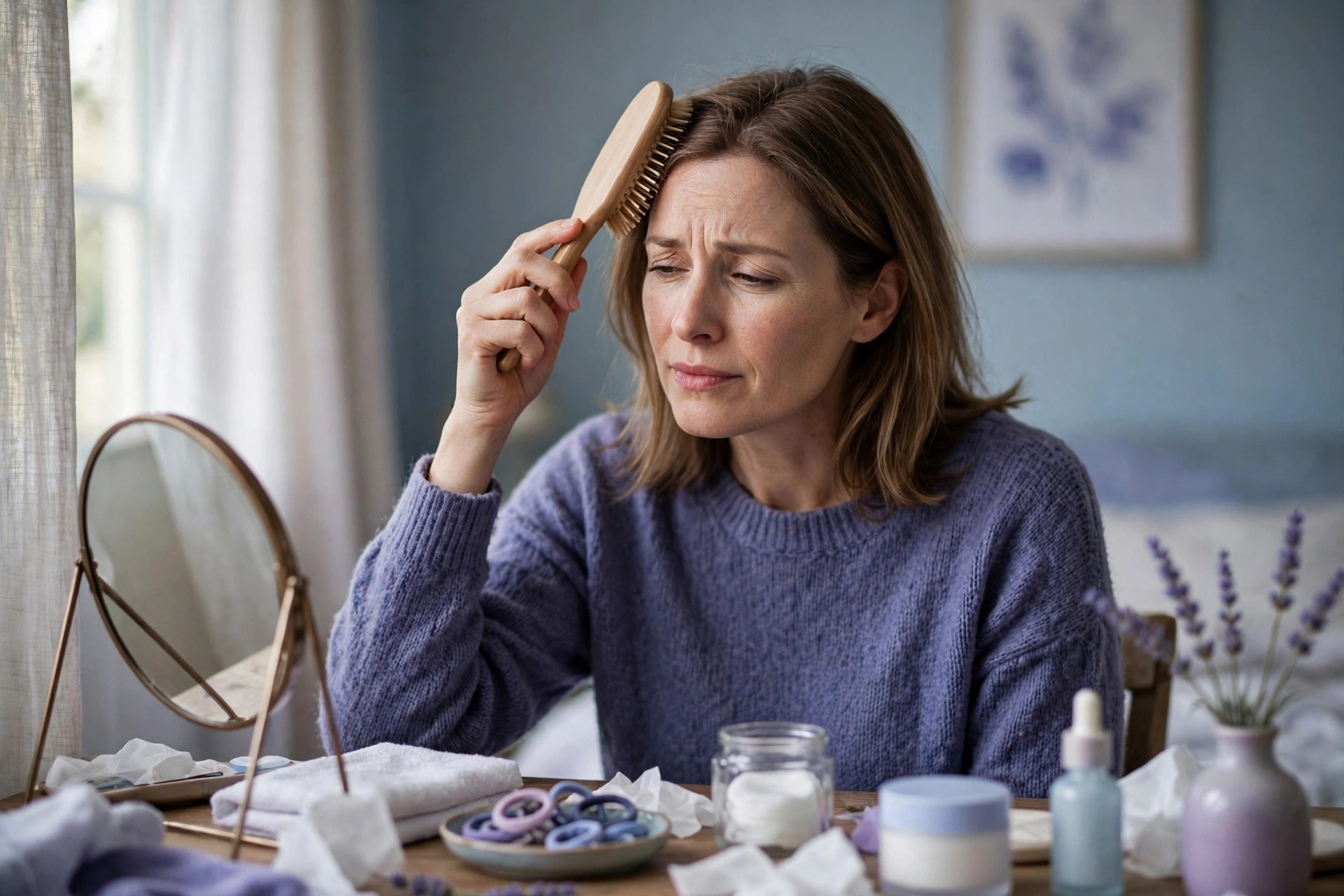
If you live with fibromyalgia and scalp pain, even your hair can hurt. Brushing stings. Washing burns. A ponytail feels like a weight dragging on sore skin, and lying on a pillow can throb by morning. It sounds small. It does not feel small.
Scalp tenderness rarely appears on fibromyalgia symptom lists, yet patient communities mention it constantly. The medical word is trichodynia, literally painful hair, and it sits at the crossroads of skin sensitivity, nerve amplification and stress. For people whose whole body already hurts to touch, the scalp simply joins in, in the place where vanity and daily grooming make it impossible to ignore.
This guide explains how fibromyalgia and scalp pain connect. First, you will learn the seven main reasons your scalp hurts to touch. Next, you will find the triggers that flare it. Finally, you will get gentle ways to calm it, plus the scalp signs that point to a skin condition needing its own treatment.
Table of Contents
- Why Fibromyalgia and Scalp Pain Come Together
- 7 Reasons Your Scalp Hurts to Touch
- What It Feels Like Day to Day
- Triggers That Flare a Tender Scalp
- Fibromyalgia and Scalp Pain: Gentle Ways to Calm It
- When Scalp Pain Needs a Closer Look
- Quick Questions
Why Fibromyalgia and Scalp Pain Come Together
Your scalp is dense with nerves and blood vessels, and every hair follicle has its own tiny nerve supply. In fibromyalgia, central sensitisation turns up the volume on all of it. Signals that should register as a brush passing through hair register instead as stinging, burning or rawness. This is the same mechanism behind the allodynia we explained in our guide to fibromyalgia and allodynia, where ordinary touch becomes pain.
Blood vessels add a second route. The scalp’s vessels respond strongly to stress, temperature and hormones, tightening and releasing in ways that throb against sensitised nerves. Migraine travels this road too, which is why scalp pain and headache so often arrive as a pair, the scalp sore for a day before or after the head itself aches.
Say “my hair hurts” in a room of healthy people and watch the confusion. Say it in a fibromyalgia group and every head nods. That instant recognition matters, because this symptom gets dismissed more than most, even by kind clinicians meeting it for the first time. It has a name, a mechanism and a literature. You are not describing something exotic; you are describing something under-discussed.
Stress completes the triangle. Trichodynia is strongly linked with anxiety and tension in the research literature, and fibromyalgia supplies both generously. It is no coincidence that tender scalps flare during the worst life weeks. Fibromyalgia and scalp pain, in short, are the same sensitivity story told on the top of the head.
7 Reasons Your Scalp Hurts to Touch
Most people with fibromyalgia and scalp pain have several of these at work.
1. Allodynia of the scalp. Sensitised nerves misread brushing, washing and even wind as pain. This is the background cause for most cases.
2. Tension in the scalp and neck muscles. The scalp is capped by muscle, and the neck and jaw tension so common in fibromyalgia refers pain upward over the whole head.
3. Migraine. Scalp allodynia is a classic migraine companion, arriving with attacks or lingering between them as a sore, tender head.
4. Hair shedding phases. Shedding and tenderness often travel together; many people notice a sore scalp in the weeks before visible shedding, a link worth knowing alongside our guide to fibromyalgia and hair loss.
5. Product irritation. Fragranced shampoos, dry shampoos and styling chemicals irritate sensitised skin easily, and irritation reads as pain.
6. Hairstyle strain. Tight ponytails, braids, buns and extensions pull on follicles for hours. Traction pain stacks on top of nerve pain.
7. Skin conditions. Seborrhoeic dermatitis, psoriasis and folliculitis all make scalps sore, and they deserve their own treatment rather than a fibromyalgia shrug.
Notice the mixture on that list: one nerve problem, several mechanical ones, and a few skin diseases with real treatments. That mixture is exactly why a sore scalp deserves ten minutes of proper thought. Some of it you can soothe tonight, some of it a pharmacist can settle this week, and the rest belongs to the long, steady work of calming the system itself.
What It Feels Like Day to Day

Day to day, fibromyalgia and scalp pain quietly edit your grooming. Hair washing gets postponed, then dreaded. You brush in sections, slowly, with the soft brush, like defusing something. Hats hurt. Headphones hurt. A hairdresser’s chair becomes an endurance event of basins, brushes and blow-dry heat.
Appearance takes the second hit. Tender-scalp days are bad-hair days by definition, because styling is exactly what hurts. Many people settle into one loose, safe style and feel quietly diminished by it, in a condition that already negotiates their wardrobe, shoes and jewellery down to the comfortable few.
A good hairdresser, once told, becomes an ally: gentler basin pressure, no vigorous scrubbing, lukewarm water, warning before the dryer heat. People put off asking out of embarrassment, then wonder why appointments feel like ordeals. One honest sentence at booking changes the whole visit, and salons hear versions of it more often than you would guess.
Sleep joins in as well. A sore scalp makes pillows complicated. You wake having guarded one side of your head all night, with a stiff neck for your trouble. Small symptoms earn their keep by wrecking the basics, and this one touches washing, styling and sleeping in a single day.
Triggers That Flare a Tender Scalp
Scalp pain follows patterns once you watch for them, and fibromyalgia and scalp pain share triggers with the whole condition surprisingly often. The common triggers include:
- Flare weeks. Whole-body sensitisation peaks, and the scalp peaks with it.
- Stress spikes. Tension climbs into the scalp and neck muscles within hours.
- New hair products. A fragranced shampoo or dry shampoo can set off days of soreness.
- Tight hairstyles. Ponytails, braids and up-dos on tender days are reliably punished.
- Heat. Hot showers, hairdryers and sun on the parting all aggravate sensitised skin.
- Skipped washes. Oil and product build-up irritate the scalp, which then makes washing hurt more. The loop is real.
- Migraine days. The scalp soreness often outlasts the headache itself.
A brief note of scalp scores beside stress, products, styles and headache days usually reveals your shortlist within a couple of weeks, and the shortlist is where the easy wins hide.
Fibromyalgia and Scalp Pain: Gentle Ways to Calm It
You cannot desensitise a scalp overnight. However, gentle, consistent care lowers its volume a great deal for most people managing fibromyalgia and scalp pain. Think of it as retraining rather than treating: every calm wash teaches the nerves of fibromyalgia and scalp pain that touch is survivable, and lessons accumulate.
Switch to a soft brush and slow hands. A soft-bristle or wide-tooth approach, in sections, without dragging. Two calm minutes beat thirty seconds of warfare, and your scalp learns that brushing predicts gentleness rather than pain, which slowly lowers its guard.
Simplify products ruthlessly. Fragrance-free, gentle shampoo; conditioner on lengths, not scalp; and a pause on dry shampoo and styling sprays. The Versus Arthritis fibromyalgia guide gives a solid overview of managing sensitive symptoms day to day, and scalp care belongs in that same gentle philosophy.
Wear hair loose and low. Low, loose styles, soft fabric ties, and hat-free hours where possible. On the worst days, a silk or satin pillowcase reduces friction overnight, and many people swear by it.
Use warmth or coolness, whichever soothes. A warm compress relaxes the cap of muscle; a cool cloth calms burning skin. Your scalp will tell you quickly which family it belongs to, and the answer can change between flares.
Massage gently, briefly. Fingertip circles for a minute or two, at pressure you set, can ease muscle tension and retrain touch tolerance. Stop before soreness, not after; this is persuasion, not physiotherapy.
Rebuild wash day as a routine. Lukewarm water, shampoo diluted in a jug, fingertips only, one gentle pass, conditioner below the scalp line, pat dry, air dry when you can. On paper it reads like fussiness. In practice, people managing fibromyalgia and scalp pain find a fixed kind routine removes the dread, because nothing on the list surprises the skin anymore.
Calm the system underneath. Because scalp tenderness tracks whole-body sensitisation, the wider work in our guide to fibromyalgia and sensory sensitivity applies here too. Better sleep and lower stress weeks reliably produce quieter scalps.
When Scalp Pain Needs a Closer Look
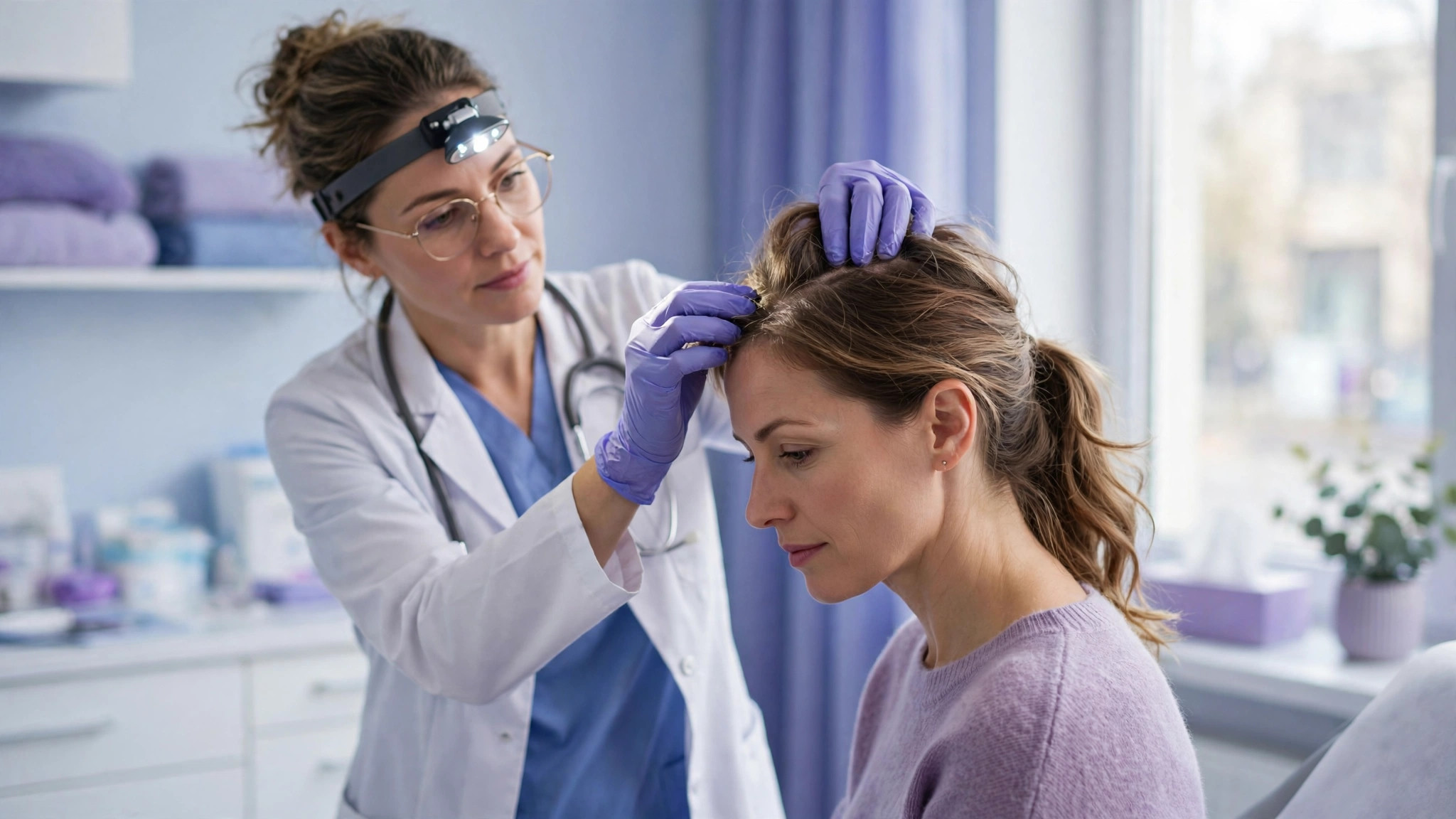
Most fibromyalgia and scalp pain is sensitivity, not disease. Nevertheless, some scalp signs point to conditions that need their own diagnosis and treatment. Book an appointment if you notice:
- Redness, thick scaling, crusting or weeping on the scalp
- Pimples, pustules or sore bumps around follicles
- Patchy hair loss arriving with the soreness
- Scalp pain on one side with a new rash of blisters, which can be shingles and needs prompt care
- Sudden scalp tenderness in someone over 50 with jaw pain when chewing or any vision change: this needs urgent, same-day assessment
- Throbbing temples with scalp tenderness and feeling unwell
A clinician can examine the scalp directly, treat any dermatitis or infection, and check the blood markers that matter for the urgent patterns. The NHS fibromyalgia overview explains the wider context of assessment. Describe the tenderness plainly; “my hair hurts” is a real clinical symptom with a name, not a complaint to apologise for.
Quick Questions
Can fibromyalgia really make your scalp hurt?
Yes. The scalp is densely supplied with nerves, and central sensitisation amplifies their signals until brushing, washing and even touch register as pain. Add muscle tension, migraine overlap and stress, and fibromyalgia and scalp pain together stop being mysterious.
Is a sore scalp a sign of hair loss coming?
Sometimes. Tenderness and shedding phases are linked, and many people notice soreness in the weeks before extra shedding appears. It is not a guarantee, and plenty of sore scalps shed nothing unusual. Watch the brush for a month before worrying, and treat treatable skin causes first.
Does scalp pain mean a flare is coming?
Often, yes. The scalp is an early reporter: many people notice tenderness a day or two before pain and exhaustion peak, because the same sensitisation wave drives all of it. Once you spot your own sequence, fibromyalgia and scalp pain become information. Soften tomorrow, style gently today, and the flare that follows is often smaller for having been expected.
Should I stop washing my hair when it hurts?
Wash gently rather than rarely. Build-up irritates a sensitised scalp and makes the next wash worse. Lukewarm water, diluted gentle shampoo applied with fingertips, and no scrubbing with nails usually keeps a tender scalp clean without a pain penalty.
Bring notes, not just the complaint. Two weeks of scalp scores beside stress, products and headache days turn “my hair hurts” into evidence, and evidence gets treatment plans. People with fibromyalgia and scalp pain are often surprised how seriously a clinician takes it once the pattern is written down. The tenderness was never the problem; the invisibility was. Writing is how fibromyalgia and scalp pain become visible.
Living with fibromyalgia and scalp pain means even grooming joins the list of things to negotiate. Be gentle, simplify products, loose styles on tender days, and check the skin causes properly rather than assuming. Most people who do this find wash day becomes ordinary again, which is a bigger victory than it sounds. If you are still building your wider plan, our first-year roadmap is a steady place to continue.
This article is for general information and education only and is not medical advice. Scalp tenderness over 50 with jaw pain or vision changes, or a one-sided blistering scalp rash, needs urgent medical assessment.