Fibromyalgia and Swelling: 8 Reasons Your Hands & Feet Puff Up
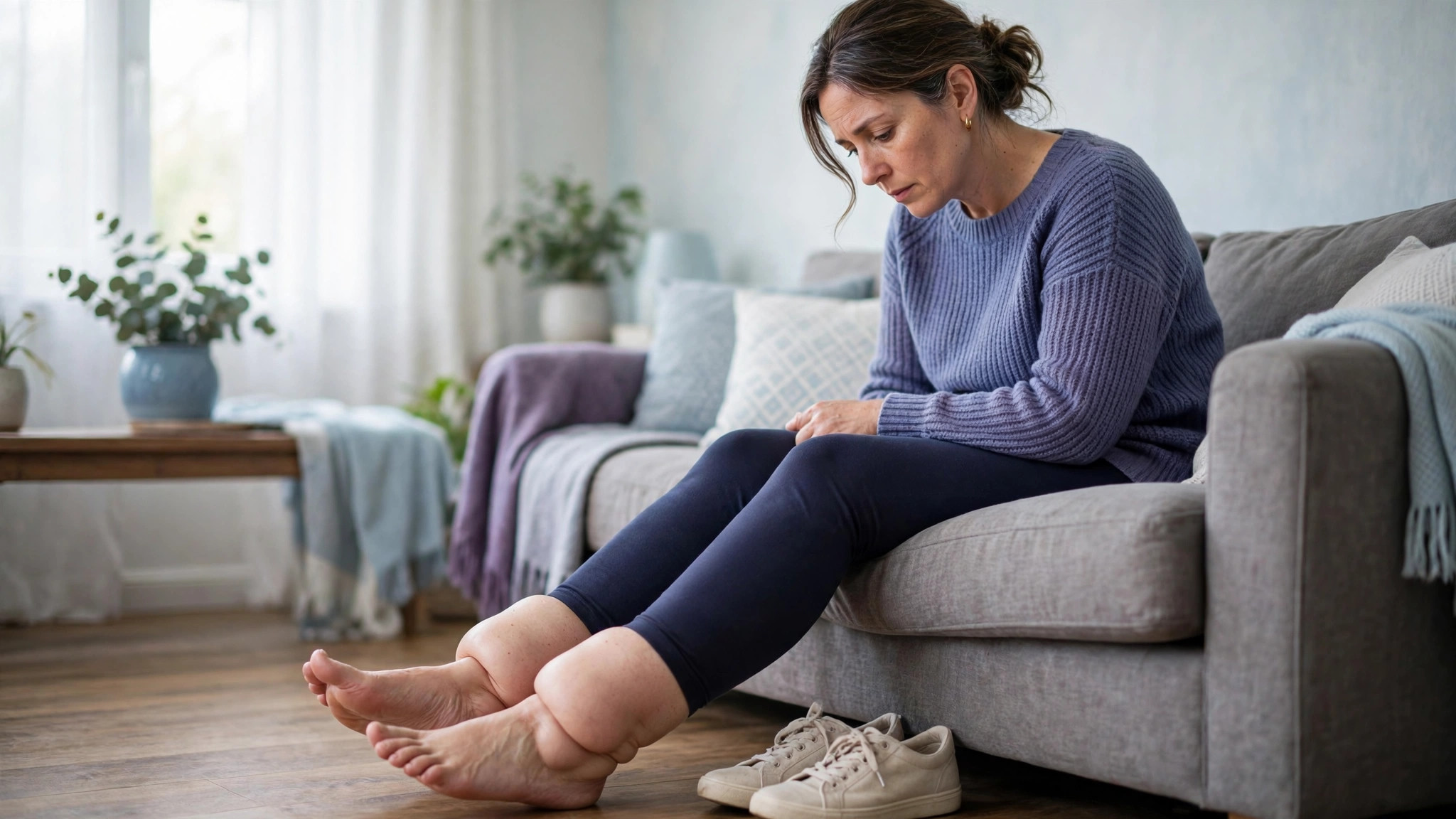
If you live with fibromyalgia and swelling, your rings know before you do. Fingers puffy by evening. Ankles that erase themselves by bedtime. Shoes that fit at breakfast and pinch by lunch, in a body that already hurts enough without squeezing into everything.
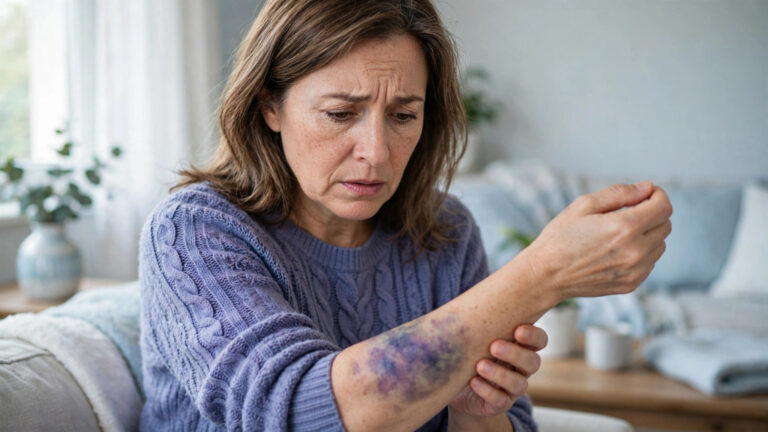
Swelling is one of the most reported yet least discussed fibromyalgia symptoms. Many people are told their swelling is not even real, because it comes and goes and the tape measure sometimes disagrees with the mirror. However, anyone who has watched their hands change shape across a single day knows exactly how real it feels.
This guide explains how fibromyalgia and swelling connect. First, you will learn the eight main reasons your hands, feet and face puff up. Next, you will spot the triggers that make it worse. Finally, you will find gentle ways to ease the puffiness, plus the swelling patterns that need fast medical attention.
Table of Contents
- Why Fibromyalgia and Swelling Come Together
- 8 Reasons Your Hands and Feet Puff Up
- Feeling Swollen vs Looking Swollen
- Triggers That Make Swelling Worse
- Fibromyalgia and Swelling: Gentle Ways to Ease the Puffiness
- When Swelling Needs Checking Fast
- Quick Questions
Why Fibromyalgia and Swelling Come Together
Your body moves fluid constantly: blood pushes it out into tissues, and the lymph system and veins carry it back. The balance depends on blood vessel tone, muscle movement and salt and water levels, all supervised by the autonomic nervous system. In fibromyalgia, that supervision falters, and fluid balance falters with it.
Blood vessels that open and close sluggishly let fluid pool in hands and feet. Muscles that move less, because movement hurts, pump less of it back. Add low-grade inflammation, which makes vessel walls leakier, and the recipe for puffiness is complete. Heat worsens all of it by widening vessels further, which is why our guide to weather sensitivity and fibromyalgia hears so many swelling stories on humid days.
There is a reporting problem too. Swelling rarely makes appointment lists because pain, fatigue and fog shout louder. Yet the puffiness quietly controls shoes, rings, grip strength and confidence. Anything that decides what you can wear and hold deserves its three minutes in the consultation, especially when several of its causes turn out to be fixable.
Sleep completes the picture. Poor sleep raises fluid retention, and fluid shifts overnight, pooling in the face by morning and the ankles by night. Our guide to fibromyalgia and sleep covers the repair work that quietly improves this too. Fibromyalgia and swelling, in other words, share roots, not just a patient.
8 Reasons Your Hands and Feet Puff Up
Most people with fibromyalgia and swelling have several of these at work.
1. Autonomic blood vessel control. Sluggish vessel tone lets fluid collect in the lowest and loosest tissues: ankles by day, face by morning.
2. Moving less on painful days. The calf and hand muscles are fluid pumps. Rest them for days and the pumping fails, however healthy the vessels are.
3. Low-grade inflammation. Inflamed tissues hold fluid, and leaky vessel walls deliver more of it. Flares and swelling often rise together for this reason.
4. Medicine side effects. Some widely used nerve-pain medicines are known for ankle swelling, and certain blood pressure and mood medicines contribute too. Timing is the tell.
5. Salt and water balance. Salty convenience food, common when cooking hurts, pulls water into tissues. Hormone swings across the month do the same.
6. Heat and humidity. Warm weather widens vessels and slows return flow. Summer ankles are a near-universal complaint.
7. Long sitting or standing. Gravity wins against a desk chair or a standing shift. Fluid collects downhill all day.
8. Overlapping conditions. Thyroid trouble, vein problems, low protein and early lymphoedema all cause real swelling and all deserve their own check rather than a fibromyalgia assumption.
Read that list once more and notice the shape of it: mostly plumbing, mostly adjustable. Unlike pain pathways, fluid responds beautifully to gravity, movement and timing. It is one of the few symptoms where doing small physical things produces visible results by the same evening.
Feeling Swollen vs Looking Swollen
One honest complication deserves its own section. Many people with fibromyalgia and swelling feel dramatically swollen, fingers stiff, rings impossible, while a doctor measures little change. Both experiences are true, and they are not the same problem.
The felt version is sensory amplification. A sensitised nervous system reads normal tissue fullness as pressure and tightness, the same amplification that makes light touch hurt. The visible version is measurable fluid. Some people get one, some the other, many get both on different days.
Practical adaptations help both versions. Adjustable rings, shoes bought for the evening foot rather than the morning one, and stretch-waist everything reduce the daily friction to nearly nothing. These are not giving up. They are the same engineering the rest of this guide recommends, applied to a wardrobe.
The distinction matters because the fixes differ slightly. Felt swelling responds to calming the nervous system and gentle movement. Visible swelling responds to fluid strategies: elevation, compression, salt and circulation. Photos and ring fit, tracked weekly, show which version dominates for you far better than arguments about whether it is real.
Triggers That Make Swelling Worse
Swelling follows patterns once you watch for them, and fibromyalgia and swelling share the same trigger list surprisingly often. The common triggers include:
- Hot, humid days. Vessels widen, return flow slows, rings and shoes lose their fit.
- Desk and sofa marathons. Hours without the muscle pumps running.
- Salty takeaway nights. The next morning writes the review on your face and fingers.
- Flare days. Inflammation and inactivity arrive together, a double hit.
- Long journeys. Flights and car rides pin your legs downhill for hours.
- New or increased medicines. The first month is the window to watch.
- The premenstrual week. Hormonal water retention stacks on everything else.
A short note of swelling scores, morning and evening, beside weather, food, movement and medicines, usually names your personal top three triggers within a fortnight.
Fibromyalgia and Swelling: Gentle Ways to Ease the Puffiness

You do not need to drain your body like a swamp. However, steady habits shift fluid reliably for most people managing fibromyalgia and swelling.
Elevate, properly and often. Ankles above heart level for twenty minutes beats feet on a footstool for hours. For face and hands, a slightly raised pillow and hands rested on a cushion while watching television both help.
Run the pumps. Ankle circles, toe scrunches and short walks every hour restart the muscle pumps gently. In a chair, alternate heel and toe lifts a dozen times. Small and frequent beats heroic and rare.
Try light compression. Mild compression socks or gloves, put on in the morning before swelling builds, suit many people. The NHS guide to oedema explains the standard advice doctors give for swollen legs, including when compression should be checked first.
Watch salt, keep drinking. Cutting salt reduces retention, but cutting water backfires, because a dehydrated body hoards fluid. Drink steadily, cook with less salt on easy days, and forgive the takeaway nights without guilt spirals.
Cool the tissue. Cool water soaks for hands and feet, and a cool room at night, tighten vessels and feel wonderful. This pairs naturally with the cooling strategies many readers already use for heat intolerance.
Plan journeys like events. On flights and long drives, people managing fibromyalgia and swelling do best with compression on before departure, aisle movement every hour, water steady and salty plane food treated with suspicion. Arriving with ankles is a skill, and it is learnable, which is more than can be said for most of living with fibromyalgia and swelling.
Review medicines at your next appointment. If ankle swelling followed a dose rise, report the timing plainly. Dose adjustments or alternatives sometimes solve in a week what cushions could not in a year.
When Swelling Needs Checking Fast
Most fibromyalgia and swelling is uncomfortable rather than dangerous. Nevertheless, certain patterns are red flags for everyone, fibromyalgia or not, and they need prompt or urgent care:
- One leg suddenly much more swollen than the other, especially with calf pain or warmth: this can be a blood clot and needs same-day assessment
- Sudden swelling of lips, tongue or face, or swelling with breathing difficulty: treat as an emergency
- Swelling with new breathlessness, chest pain or waking breathless at night
- Persistent pitting swelling that dents and stays dented
- Rapid weight gain over days, which can be fluid, not fat
- Swelling with much less urine, frothy urine or severe fatigue, which can point to kidney trouble
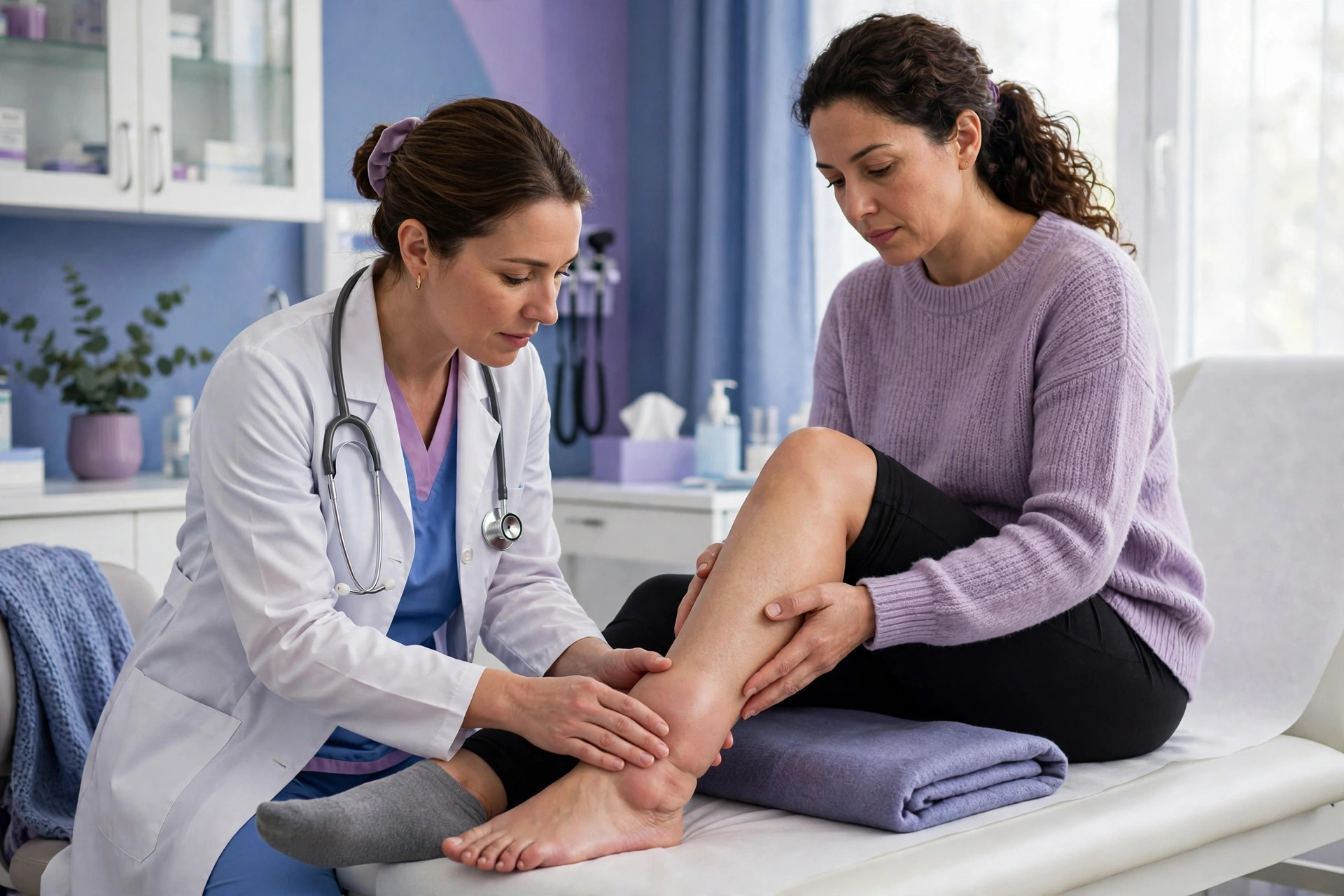
For non-urgent but persistent swelling, a doctor will usually examine your legs and heart, then check thyroid, kidney function and blood protein, and review medicines. The NHS fibromyalgia overview covers the wider workup worth combining into the visit.
Quick Questions
Can fibromyalgia cause real swelling, or is it all in my head?
Both versions exist. Real, visible fluid retention is common, driven by vessel control, inflammation, medicines and inactivity. A felt-swollen version also exists, where a sensitised system exaggerates normal fullness. Neither is imaginary, and fibromyalgia and swelling in either form deserve practical help.
Why are my hands worse in the morning and ankles worse at night?
Gravity and stillness. Lying flat overnight, fluid redistributes upward and pools in the face and hands. Standing and sitting all day, it drains downward into feet and ankles. The daily migration is predictable once you see it, and elevation at both ends of the day is aimed at exactly this pattern.
Why does swelling make my pain worse?
Extra fluid stretches tissue that is already sensitised, and stretched tissue complains. Joints stiffen, shoes compress nerves, and grip weakens, so everything costs more effort. Many people find pain scores track swelling scores closely, which makes fluid control a quiet form of pain control for fibromyalgia and swelling alike.
Should I take water tablets for it?
Not without a doctor’s input. Diuretics suit some causes and worsen others, and they can disturb blood pressure and salts, which an autonomic system already struggles to regulate. Get the pattern checked first; many people find the cause is a medicine or a salt habit that needs no tablet at all.
One habit ties all of this together: photograph the evidence. A weekly photo of your ankles and hands, same light, same time of day, settles every argument about whether things are improving and gives your doctor something better than adjectives. People with fibromyalgia and swelling who track it this way adjust faster, worry less between appointments, and catch the one-sided or sudden changes that actually matter. The camera is the calmest member of the care team for fibromyalgia and swelling.
Living with fibromyalgia and swelling means your body changes size across a single day, in a condition that already changes everything else too. Learn your triggers, run the pumps, elevate on schedule, and never sit on the red-flag patterns. Most people who do this end up with shoes that fit by evening and rings that stay on. If you are still building your wider plan, our first-year roadmap is a steady place to continue.
This article is for general information and education only and is not medical advice. One-sided leg swelling, facial swelling with breathing difficulty, or swelling with breathlessness or chest pain always needs urgent medical attention.